

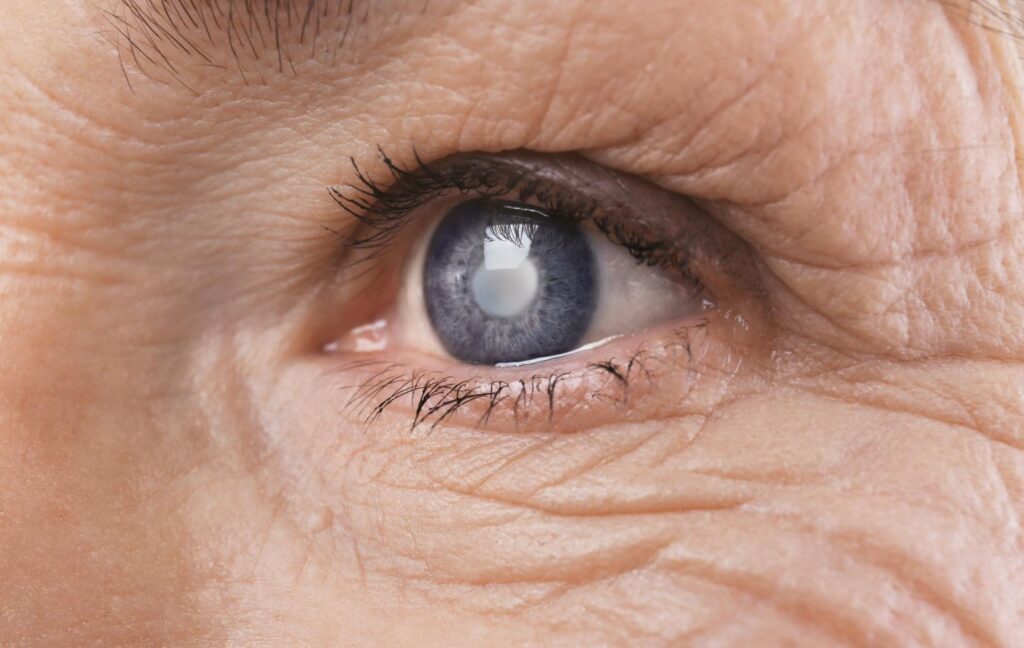
Small changes in your eyesight can be hard to notice until you can’t see out of your side vision or have difficulty navigating your surroundings. This slow shift can happen from changes occurring deep inside your eye. We know this can be a scary thought, but at Total Vision Carlsbad Plaza, our team wants you to know that preventive eye exams can help detect vision changes before they worsen and cause permanent damage.
Glaucoma causes vision loss by damaging the optic nerve, often due to increased eye pressure. The optic nerve is the pathway that sends visual information to your brain, so when damaged, it limits what you can see over time.
What Glaucoma Is and How It Affects Your Sight
The Role of the Optic Nerve
Your optic nerve acts like a thick cable that connects your eye to your brain. Light enters your eye and turns into electrical signals, and then the optic nerve carries these signals to your brain, which processes what you see in milliseconds.
Our eye doctor can use detailed retinal imaging to monitor the delicate structures involved and detect changes before you notice symptoms.
How Eye Pressure Creates Damage
The inside of your eyes constantly produces a clear fluid called the aqueous humor to stay healthy and nourished. This fluid normally drains out through a tiny channel at the front of your eye. But sometimes this channel gets blocked or works too slowly, causing fluid to build up inside your eye.
This extra pressure pushes against your optic nerve and can damage the sensitive nerve fibers, leading to gradual vision loss.
Common Symptoms and Signs of Glaucoma
Open-Angle Glaucoma Symptoms
Open-angle glaucoma is the most common type of this condition, and it typically develops very slowly over several years. During its first few stages, you might feel totally fine and see clearly, but the damage is progressing, often without noticeable symptoms.
Some of the common symptoms of open-angle glaucoma include:
- No early warning signs or physical pain
- Gradual loss of your peripheral (side) vision
- Patchy blind spots in your daily field of view
Acute Angle-Closure Signs
Sometimes the drainage angle in your eye closes completely and suddenly, a condition called acute angle-closure glaucoma. This type causes a rapid spike in eye pressure that qualifies as a medical emergency requiring professional emergency care.
You’ll need to visit the eye doctor right away if you notice these fast and severe changes:
- Sudden severe eye pain or heavy head pressure
- Headaches accompanied by sudden nausea or vomiting
- Rainbow-colored halos around bright lights at night
Risk Factors for Elevated Eye Pressure
Certain traits can increase your risk of developing high eye pressure over time. Your background and personal medical history play a large role in your overall risk profile. Knowing these factors helps you stay alert about your vision changes.
Some of the main risk factors for glaucoma include:
- Being over age 55
- A known family history of the eye condition
- Health issues like high blood pressure and diabetes
You can discuss your specific risk factors with your eye doctor during your visit. If you manage other health conditions, scheduling yearly diabetic eye exams can help monitor any related risks. They can help you create a schedule for regular eye pressure checks.
What to Expect with Early-Stage Glaucoma
The Silent Nature of the Condition
With glaucoma, noticeable vision changes happen very slowly at first. You may feel totally normal and read a book without any extra effort initially. The changes in pressure silently wear down your optic nerve over time, which is when damage can happen.
Why Early Detection Matters
Detecting this condition early can help protect your central vision for years to come. Routine eye exams help the eye doctor measure your eye pressure closely. When caught early, eye diseases can be managed, helping you preserve your vision and continue the hobbies you love.
Treatment Options and Preventive Eye Care
Common Medical Approaches
The eye doctor can recommend a few different ways to lower the fluid pressure in your eye. Prescription eye drops offer a simple daily routine to reduce fluid buildup, but there are other options, too.
In some cases, laser therapy may be recommended. This option can help improve fluid drainage when drops alone don’t quite do the job. Surgery can help improve or create new drainage pathways to relieve pressure over the long term.
Proactive Steps for Your Eye Health
You can take charge of your visual health with a few simple habits. Schedule routine eye exams to catch small changes early, and follow your eye doctor’s custom treatment plan as recommended.
Schedule Your Preventive Eye Exam Today
Protecting your vision helps you enjoy every sunset and see your loved ones’ faces clearly. Our team at Total Vision Carlsbad Plaza provides tailored care to support your eye health at every stage of life. Schedule your next comprehensive eye exam to start taking care of your eyes.
